A Healthy Bee Population Starts at Home
By Brittany Fisher
Bees are directly responsible for pollinating over three-quarters of the world's supply of cultivated crops. These tiny insects contribute more than $15 billion to the U.S. economy each year. Without them, food prices would soar and untold thousands of beekeeping and farming operations would cease to exist. Unfortunately, many people don't realize the crucial role these tiny creatures play in our everyday lives.
It's essential for our communities to find ways to keep these pollinators safe and happy.
And while local organizations are doing their part to help local bee populations, creating a better environment for the bees starts in your own backyard. There is much you can do to encourage a healthy bee population, from planting a bee garden to buying local honey. You can also partner with businesses to host a fundraising event to benefit local beekeepers and farmers and boost awareness of their importance.
Plant a Bee-Friendly Garden
It may sound scary to plant a garden dedicated to bees. Many people are afraid of them and don't want them near their home. However, if they are to survive, we must take measures to erase the stigma associated with these tiny creatures and help people see the benefits of creating a welcoming environment for them.
A bee-friendly garden is simply any garden that grows the things bees love, including fruit trees and flowering plants. Plant flowers that have a single-headed bloom, as these tend to give more nectar and attract bees with their stable landing areas. Daisies, sunflowers, and black-eyed Susans are great examples of flowers that will keep bees coming back time and again.
To attract the most pollinators, always use native plants in your garden and offer a variety of colors, shapes, and sizes. Bees are year-round foragers, so include seasonal flowers, such as asters, zinnias, and goldenrod in your design. This will provide food well into the cooler months of autumn.
Avoid synthetic insecticides and pesticides, as these have proven harmful to bees. Instead, opt for natural ways of removing unwanted pests. For example, you might introduce crop-friendly predators such as ladybugs, lacewings, and praying mantises to ward off unwanted pests. Alternatively, there are many different homemade solutions utilizing soap, garlic, and other bee-friendly ingredients that can also help.
Keep a small bowl of clean water with a few protruding rocks or pebbles out so that bees may drink, rest, and clean themselves before their next pollination project. Place it in an area of your garden where they tend to congregate and change the water every few days. This will encourage frequent visitations and avoid creating a breeding ground for mosquitoes.
Enlist Others to Help the Bees
Get your community involved by having a group planting day. You can find inexpensive wildflower seeds at any home and garden store. Hand these out to the families in your neighborhood and ask everyone to do his or her part. Whether it's planting a garden in their own yard or contributing to a community plot, kids love to get involved and help out the grownups. Moreover, planting flowers can help everyone feel more connected to the community, a particularly important benefit given the prevalence of renters in the U.S. (depending on your market). As an added benefit, they'll be doing something wonderful for the bee population at the same time. Don't forget to add a few vegetables, as many have bright blooms that attract bees as effectively as strictly decorative plants.
Host a Fundraiser
If you want to do more than plant a garden, contact a local farmer's market about hosting an event to support your community's efforts to help the bees. Plan a paid pick-your-own flowers day, farm-to-table dinner, or sell bee-themed items and apparel. Partner with a reputable charity that will benefit from your efforts. The American Beekeeping Federation is a wonderful organization that supports research and legislation to protect our nation's bee population.
You might also donate to a small beekeeper or purchase beekeeping equipment for your local high school's agriculture department.
Bees are involved in the production of a large portion of the food we consume each and every day. It's imperative that we help keep them safe and allow them to maintain (and even grow) their numbers. Get involved and spread the word about how to help these tiny, productive creatures so they can continue to do their amazing work.
Brittany Fisher has spent more than 20 years as a CPA. She runs her own site,
Financiallywell.info
where she shares her knowledge about taxes, personal finance and general financial literacy hoping to help anyone who may benefit from it.
|
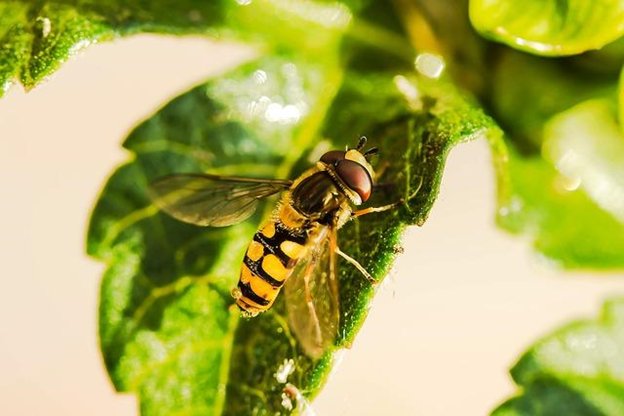
Photo via Pixabay by Myriams-Fotos
|